What Batley Shop Owners Know About Storage
Find Out More →Walk past the retail units around Commercial Street on a Saturday morning, and you'll notice something: the good ones are never cluttered. No boxes piled in corners, no seasonal stock wedged behind tills, no chaos. That's not luck. Local shop owners in Batley have figured out how to use self storage in a way most homeowners haven't. They treat it like a business system, not a dumping ground. And honestly, their approach works just as well at home.
The difference isn't complicated. It comes down to planning, rotation, and actually knowing what's in there. Businesses can't afford to lose track of inventory or waste money on storage they don't need. Homeowners can learn from that discipline—and end up saving time and money in the process.
Why local businesses approach storage differently
When you're running a shop or a small business in Batley, self storage isn't optional clutter management. It's part of how you keep the operation running. You need to know exactly what's stored, where it is, and when you'll need it next. There's no room for vagueness.
That means business owners do three things most homeowners don't: they label everything clearly, they keep an inventory list, and they rotate stock based on actual demand rather than just shoving things away. A café stocking extra chairs for the summer rush, a retailer holding off-season stock, a workshop storing equipment between jobs—they all know they'll need to access their storage regularly. So they organize it like they mean to use it.
For homeowners, the mindset is often different. You rent a unit, fill it with 'stuff you might need', and hope you don't have to think about it again. That works fine if you genuinely don't need to access anything. But if you do, or if you're paying month after month for things you've forgotten about, that approach costs you.
How to borrow their organization system
You don't need to run a business to use a business owner's storage logic. Start by treating your self storage unit like an inventory rather than a black hole. Before you move anything in, write down what's going in, what condition it's in, and roughly when you might need it. Yes, this takes time. It saves more.
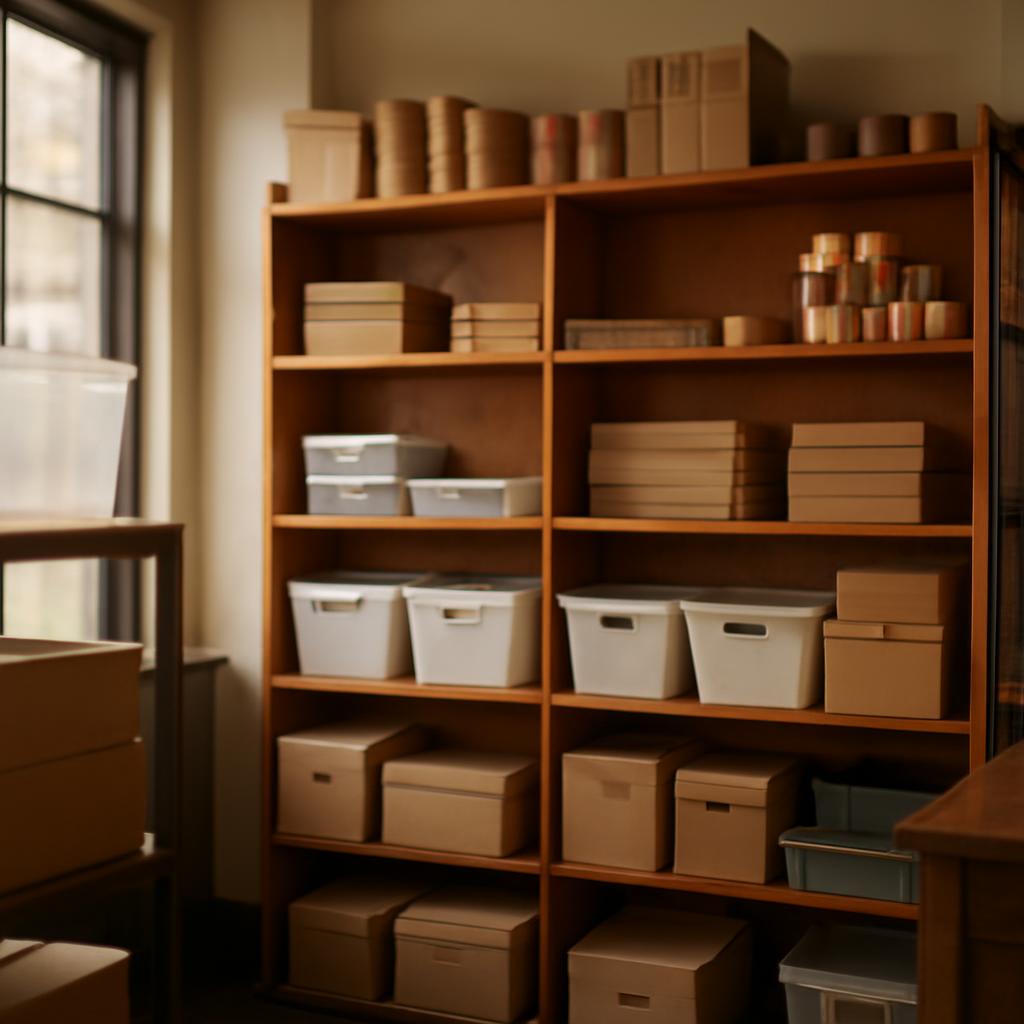
Second, use shelving and clear boxes. Businesses do this because they need to see what they have without unpacking everything. You benefit for the same reason. Stack boxes vertically, label the spines, and leave an aisle you can actually walk through. It sounds basic, but most people don't do it. Read more here about how Batley shop owners pack storage better—the principles apply whether you're storing retail stock or your grandmother's china.
Third, plan for rotation. Businesses know their busy seasons; homeowners often know theirs too—Christmas decorations, garden furniture, winter clothes. Group these items together in your unit so you can access them easily when you need them, without disturbing everything else. Keep your most frequently needed items near the front. Put things you won't touch for months further back.
Why this saves money (and sanity)
Here's the thing: when you organize like a business owner, you naturally use less storage. You don't rent a bigger unit than you need because you can actually see what you have. You don't pay for months of storage on things you forgot existed. You don't waste time searching for something you know is in there somewhere.
A lot of Batley residents end up renting larger units than necessary because everything's just dumped in without a system. Then they pay for three years when they could've needed it for one, or they've filled two units when one would've done. Find out more in this guide about how businesses approach storage—the cost-benefit logic is exactly the same whether you're a shop owner or a homeowner.
There's also the psychological benefit. When you know what's stored and where, you actually use it. That exercise bike you forgot about? Once you rediscover it, suddenly you might use it. The decorations you've had in storage? You'll actually put them up if you know where they are. The boxes of books? You might finally do something with them. Without organization, they just sit there, and your money sits there with them.
Making it work for your household
Start small. Don't overthink this. Pick a specific category—seasonal items, hobby equipment, important documents, whatever you're actually storing. Get a storage unit, organize it the way a business would, and maintain that system. This article explains how businesses do it in more detail, and most of it translates directly to home use.
Keep your inventory list somewhere accessible—your phone, a notebook, wherever. Update it when you add or remove items. You'd be surprised how much that single habit changes the way you use your storage.
And here's the honest part: you don't need a fancy system. You need to be intentional. Business owners in Batley aren't using complicated software or hiring consultants. They're just being deliberate about what goes in, how it's arranged, and what they're paying for. You can do that too.
If you're ready to actually organize your storage instead of just filling it, Self Storage Batley can help. We've got units in sizes that work for homes, and staff who can help you think through what you need. Give us a ring and let's sort it properly.
Looking for Self Storage near Batley?
We have secure, flexible units available in the area. Get in touch with Self Storage Batley today.
Find Out More →