Batley Shop Owners Get Storage Right—Here's How
Find Out More →Walk past the retail units around Commercial Street on a busy Saturday and you'll spot something interesting: the ones that run smoothest aren't necessarily the biggest. They're the ones that know exactly what they're storing, where it is, and why. That's not luck. It's a deliberate approach to self storage that most homeowners never bother with—and it makes a genuine difference to how much space you actually need and how much you pay.
Local businesses in Batley have learned through necessity what works and what doesn't. They can't afford to waste money on storage they don't use properly, and they can't afford to lose track of stock or seasonal items. If you've got a garage that's turned into a graveyard for boxes, or you're paying for a storage unit that's only half-full, there's something worth learning here.
Why Business Storage Looks Different
The first difference is simple: businesses treat self storage as a working tool, not a dumping ground. When a shop owner rents space, they're renting it to serve a specific function—holding extra stock during busy seasons, storing display materials, keeping archived paperwork safe. Every item has a reason for being there. There's an end date. Things get rotated out.
Most homeowners approach it the opposite way. You rent a unit, you fill it with stuff you might need someday, and then you forget what's in there. Six months later you're paying for space you've stopped using. The business model forces clarity; the residential model encourages drift.
As we covered in our guide on how businesses use self storage differently, this intentional approach starts before you even sign a contract. Successful businesses do an audit first—they know what they're storing, how long they're storing it, and when they can move it out again.
How to Audit Your Own Storage Needs
You don't need to run a shop to benefit from this. The first step is to be honest about what you actually need stored. Not what you think you might need. What you actually need.
Here's the practical version: write down everything you're planning to put in storage before you pay for anything. Seasonal decorations? Fine—write it down. Off-season clothing? Good. That box of cables from old computers? Ask yourself if you've genuinely used any of them in the last three years. If not, it's clutter, not storage.
Businesses do this because they're paying attention to inventory costs. When you see it written down like that, you start making different choices. You realise that 'just in case' items often aren't worth the rent. The result? You either don't store them at all, or you rent a smaller unit and keep your costs down.
Find out more about how to organise what you do store so you're not hunting through boxes looking for things you've forgotten about.
Storage Layout and Access—Think Like a Business
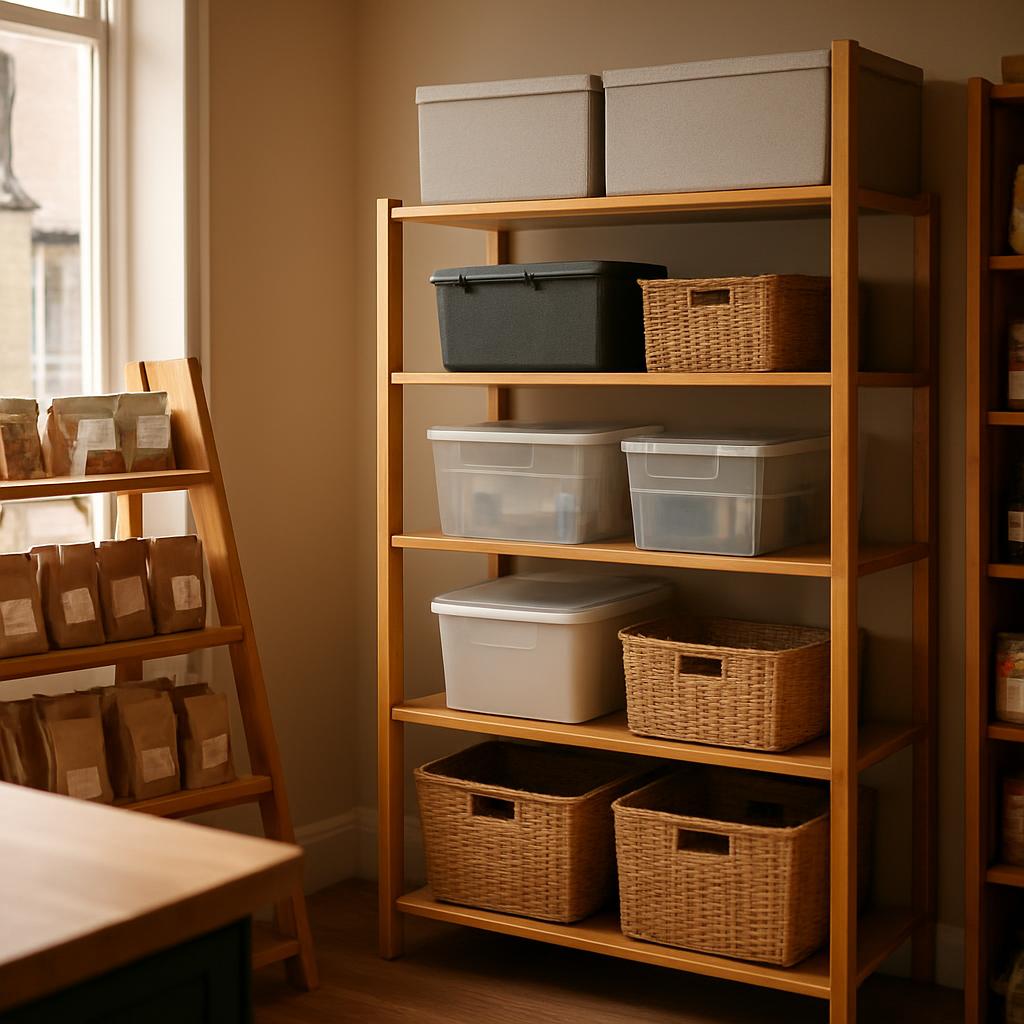
Once businesses decide what's going in, they think about access. Which items do they need to reach regularly? What's seasonal and only needed once a year? What's archive and practically never touched? They organise accordingly.
The takeaway for homeowners is the same: put regularly-used items near the front. Pack boxes so the label faces out. Keep a simple list of what's where. It sounds basic, but most people don't do it. Then they pay money to rent space and then more money to their own time hunting for things they can't find. Businesses avoid that waste by treating the unit like a small warehouse, not a junk room.
If you're storing seasonal items—garden furniture for winter, Christmas decorations—put them in an order that matches your calendar. Boxing Day clutter goes in first. Summer stuff goes deeper in. It saves time and frustration when you need something.
Knowing Your Real Storage Cost
This is where the business approach really matters. Shops calculate the true cost of storage by working out what percentage of their rent goes to items that are actually earning money. If a item sits unused for months, they either move it out or they stop storing it. The cost-benefit analysis forces the decision.
Most homeowners never do this maths. They see a monthly rental price and think 'that's fine,' without connecting it to how much value the stuff inside is actually giving them. Do the calculation. If you're paying £60 a month for a unit, that's £720 a year. Is everything in there worth £720 a year to you? If not, take it out or don't rent the space at all.
This article explains more about how to think strategically about storage investment instead of treating it like an afterthought.
The Batley Takeaway
Self storage works best when you know exactly why you're using it. Batley businesses use it this way because they have to—they're managing money carefully, and waste is obvious. You don't have to run a retail operation to borrow that discipline. An audit before you sign up. A clear layout once you've moved in. Honest thinking about whether items are genuinely worth their storage cost. And regular reviews to make sure you're not paying for dead weight.
That's not complicated. It just requires one conversation with yourself before you book anything. If you're ready to get started with self storage in Batley, and you want it done right, Self Storage Batley can help you find a unit that actually matches what you need—not what you think you might need. Get in touch and let's work out the right size and approach for your situation.
Looking for Self Storage near Batley?
We have secure, flexible units available in the area. Get in touch with Self Storage Batley today.
Find Out More →